
About General Contractor Bangor
A carpenter since 1990. Old-house remodels and additions since 2005.
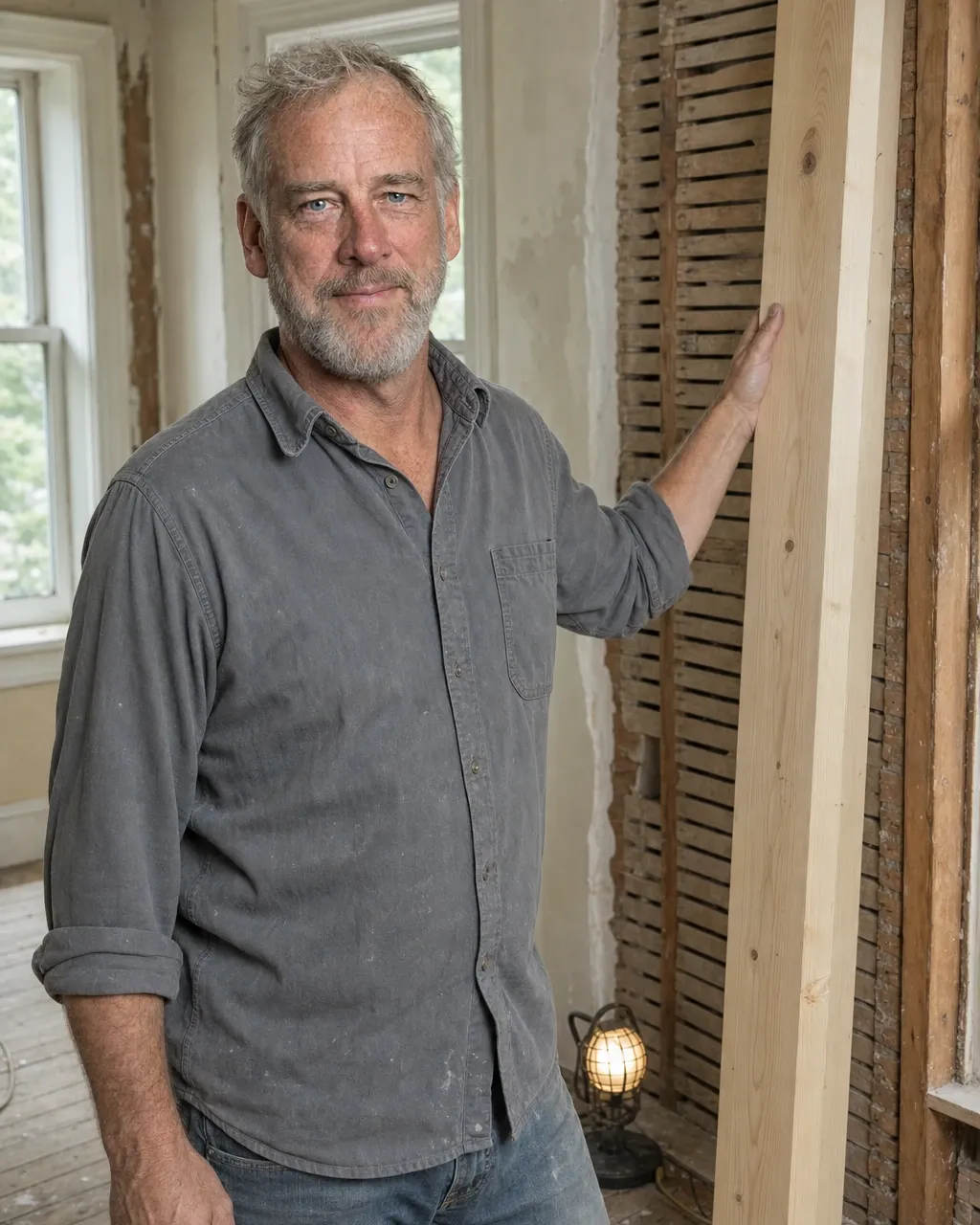
Wayne Cobb runs General Contractor Bangor from an office on Main Street in downtown Bangor, a short drive up the Penobscot from Hampden, where he grew up. He looks at every house himself before a price goes on paper, and work on homes that already stand is the only work we take on.
- Additions, kitchens, baths and whole-house work
- Free estimate requests
- 22 towns, Frankfort to Hudson
How Did Wayne Cobb Learn to Fix Old Houses?
Wayne Cobb learned to fix old houses from the inside, as a carpenter's helper who started in 1990 after growing up in Hampden. His first jobs meant hauling horsehair plaster out of Bangor houses, then framing lake camps when the weekend came.
Demolition is a good teacher. Once the plaster is down you see how a house was really built: wall studs running two stories without a break, joists notched for pipes nobody planned, a sill sitting on stones that have moved.
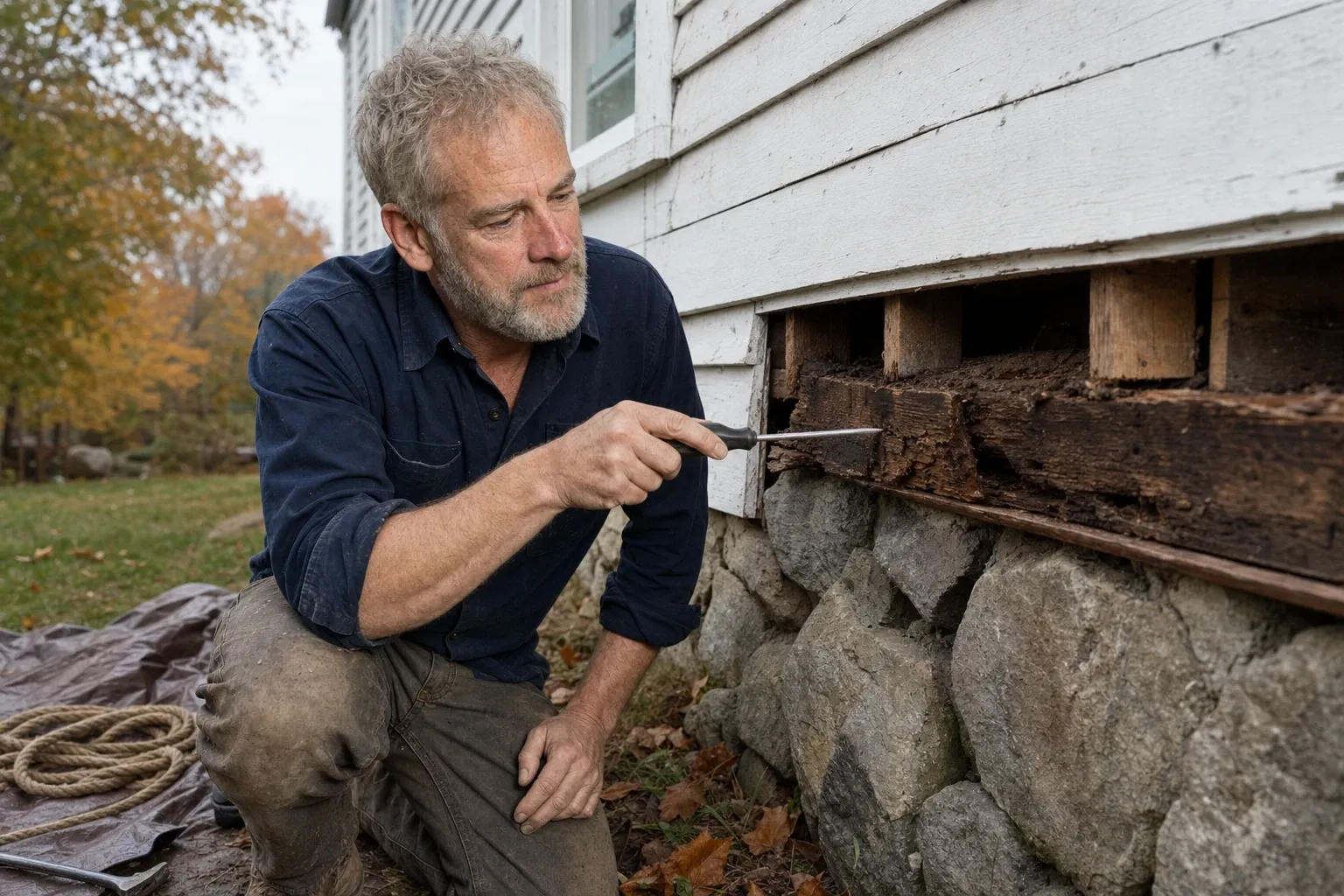
That opened wall is where Wayne watched remodel budgets fall apart. A crew would set out to hang cabinets, find a soft sill under the sink wall, and stop to tell the owner the number had just changed.
Why Does Wayne Work Only on Existing Houses?
Wayne works only on existing houses because an old house's problems can be found and priced before anyone signs, if someone takes the time to look. Since 2005 he has taken on remodels and additions on older homes and nothing else.
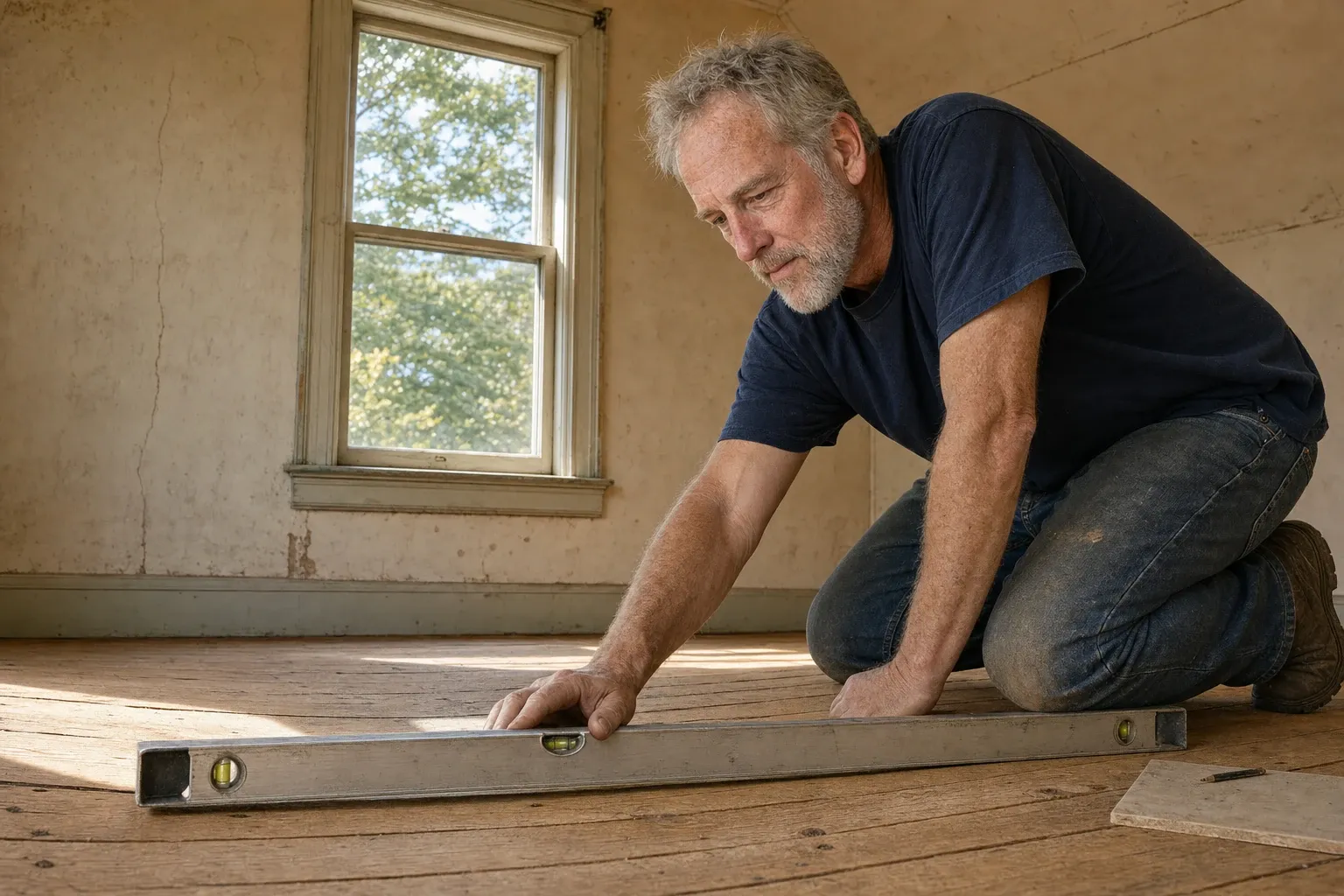
Keeping to one kind of house sharpened what he checks first. In every old house he starts with the sills, the carrying beam and whether the floors run level, before a single finish gets talked about.
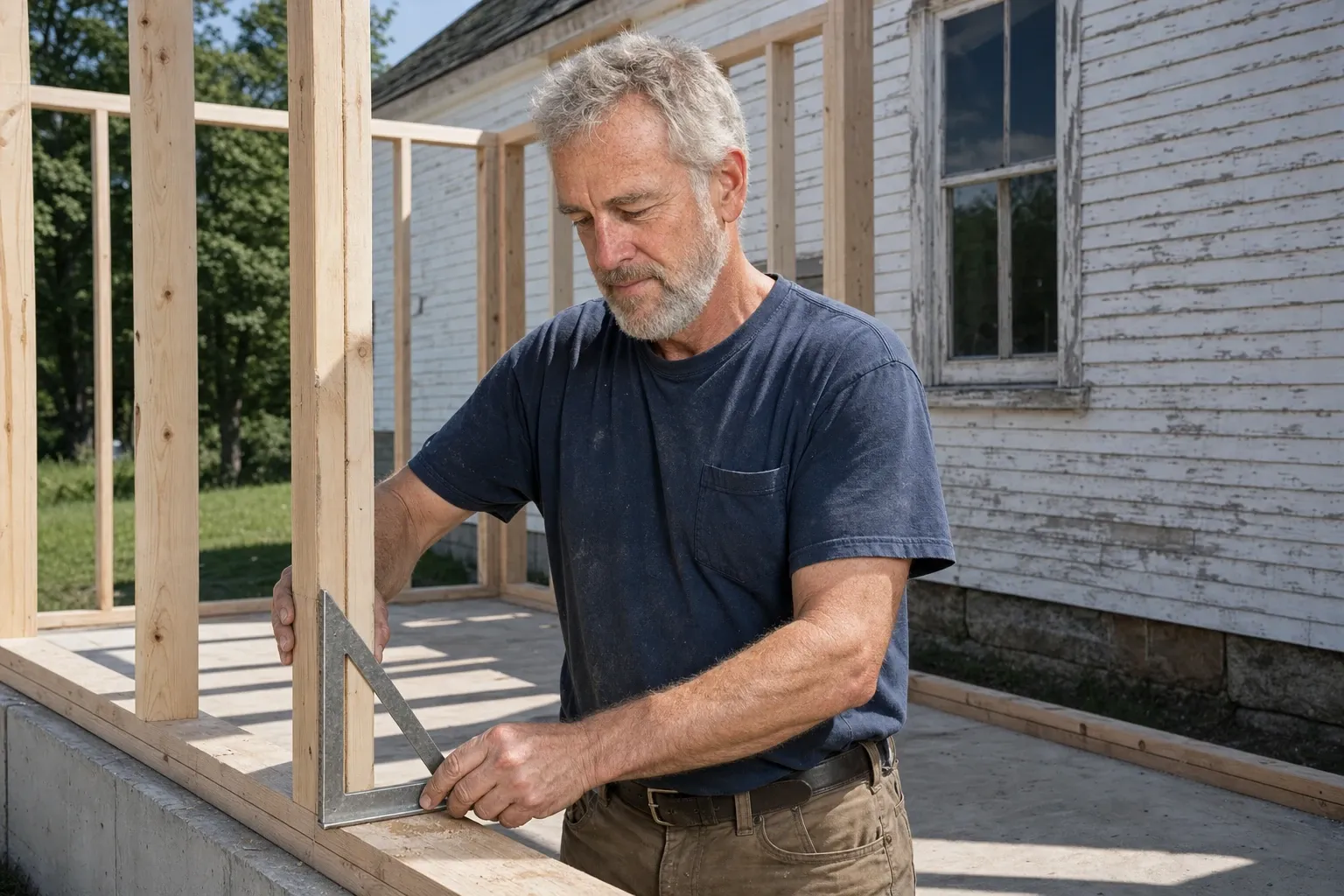
New rooms are only as sound as the old frame they hang on, so the same check comes first when the job is an addition. The new framing gets tied into a wall Wayne has already opened and looked at.
What Will We Tell You About Your House First?
The first thing we tell you about your house is what its structure needs, because that part surprises people more than the cabinets do. A floor that dips toward the middle of a room has a reason, and the reason gets priced before the tile.
If the sill under a bathroom is soft, or a carrying beam was cut for a drain line, you hear it from us before a plan gets drawn around it.
Sometimes the plain answer is that the house needs its frame fixed before it gets the kitchen you called about. We say so, and we write both prices down so you can choose the order.
How Do We Price a Remodel or an Addition?
We price a remodel in two parts, the structure and the finish, and the structure comes first. Wayne goes through the cellar, the sills, the beam and the floors, and notes any old wiring or galvanized drain he can see before a finish is counted.
A kitchen or bath is priced against the average ranges on our pages, then against your house. An addition is priced only from drawings, by your architect, a designer or our design partner, because its foundation, roof tie-in, heat and septic move too much for a range.
Nothing is ordered and no wall comes down until you approve the written price and sign the contract. Until you sign, all that gets scheduled is another talk about the house.

What Should You Know Before You Call Us?
Work on houses that already stand is the only work we take on. We do not build new houses from the ground up, and a roofing, siding or window job on its own goes to another trade.
Maine does not license general contractors, and we never suggest it does. The state licenses electricians and plumbers instead, and their work goes to those trades as the law requires. Bangor enforces the Maine Uniform Building and Energy Code, as 10 MRSA §9724 requires of any town over 4,000 people.
The price and the contract come in writing. On any job over $3,000, Maine's home construction contract law wants that contract written and signed by both of us, with no more than a third of the price paid up front.
How Does a Job With Wayne Run, Start to Finish?
A job with Wayne runs in a set order, from the cellar up. Structure comes first, then the rough plumbing and wiring by the licensed trades, then insulation, then the finishes you picked.
We pull the building permit where the town requires one, and you get an update from us every week while the work runs. Approving that permit is the Code Enforcement Officer's call, never ours to promise.
The job ends with a walkthrough at your side: Wayne opens the cabinets, runs the water and lays a level on the new floor while you watch. Once your questions are answered, the rooms are yours.

Which House Should Wayne Come Look At?
Tell Wayne the town, roughly when the house was built and what you want done. He will set a time to go through it with you, cellar first.